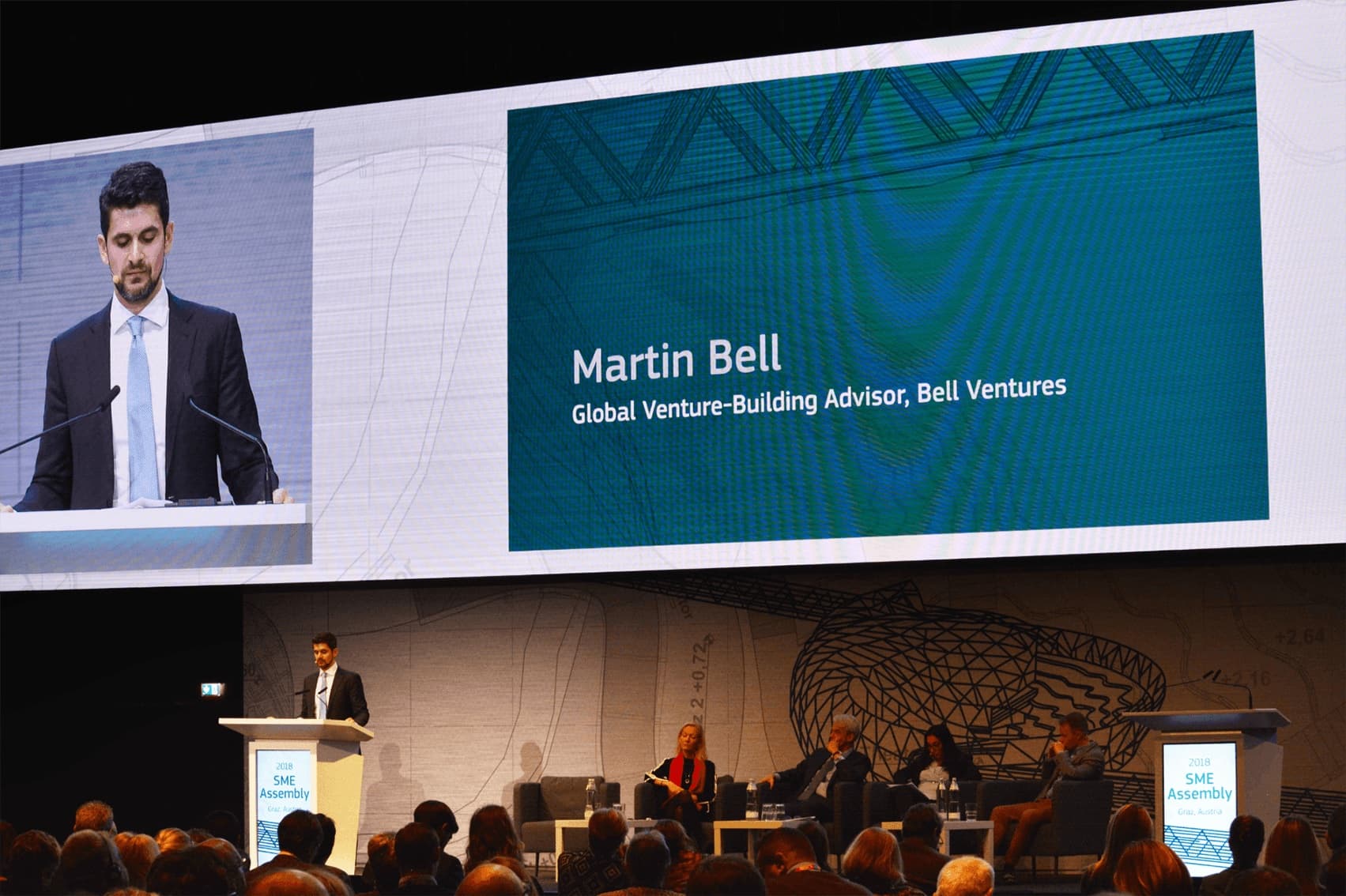
Martin Bell11 Min Read
Founder Content System: Turn One Customer Insight Into 30 Assets (2026)
A 2026 content system for turning one customer insight into posts, emails, sales copy, and proof without repeating yourself.

Founder content works best when it comes from real customer learning. One sharp customer insight can become a post, email, sales objection answer, landing page section, short video, internal memo, and product decision.
The problem is that many founders treat content as a separate performance. They sit down and ask, what should I post? A better system starts with what the market just taught you.
This guide shows how to turn one customer insight into a batch of useful assets without repeating the same headline thirty times.
Key Takeaways
-
Start with customer language, not a blank content calendar.
-
Separate the core insight from the asset formats.
-
Create assets for marketing, sales, product, and onboarding.
-
Use AI to expand and structure, then edit for judgment and voice.
-
Measure whether content starts better conversations.
The Content System in One Sentence
Capture one customer insight, extract the underlying point, turn it into multiple useful formats, route each format to the right channel, and feed the response back into the next customer conversation.
The system matters because founder-led content is not only audience building. It is market learning in public. The same insight can improve positioning, sales follow-up, onboarding, product prioritization, and investor narrative.
The goal is not volume. The goal is compounding clarity.
Write the Core Point
Before making assets, clarify the idea. What did the customer teach you that other customers would find useful?
This section is a gate, not a decoration. If the founder cannot complete it in plain language, the idea is probably still too vague for product, marketing, or fundraising work. Slow down here and turn the point into an artifact the company can reuse: a note, checklist, customer definition, scorecard, outreach list, weekly review prompt, or decision memo.
The practical move: Write a one-paragraph point of view: the problem, the mistake, the better approach, and why it matters. Make it concrete enough that someone else could inspect the work and understand what changed. If AI helps draft, summarize, or compare options, use it as a speed layer, then review the output against customer facts and founder judgment.
The signal to watch: The point can stand alone without a platform format.
When that signal appears, write down what it means for the next task. The point is not to collect a nice insight. The point is to decide whether to continue, narrow, change, sell, build, or stop.
Avoid turning one weak observation into many weak posts.. The common failure mode is treating this as a planning exercise instead of a market-facing loop. Every section should make the next customer conversation, offer, MVP, or operating decision sharper.
Create the Education Assets
Education content helps the market understand the problem and the better way to think about it.
This section is a gate, not a decoration. If the founder cannot complete it in plain language, the idea is probably still too vague for product, marketing, or fundraising work. Slow down here and turn the point into an artifact the company can reuse: a note, checklist, customer definition, scorecard, outreach list, weekly review prompt, or decision memo.
The practical move: Turn the insight into a short post, long post, email lesson, checklist, and example breakdown. Make it concrete enough that someone else could inspect the work and understand what changed. If AI helps draft, summarize, or compare options, use it as a speed layer, then review the output against customer facts and founder judgment.
The signal to watch: Readers reply with their version of the problem or ask a sharper question.
When that signal appears, write down what it means for the next task. The point is not to collect a nice insight. The point is to decide whether to continue, narrow, change, sell, build, or stop.
Avoid teaching so broadly that the target customer disappears.. The common failure mode is treating this as a planning exercise instead of a market-facing loop. Every section should make the next customer conversation, offer, MVP, or operating decision sharper.
Create the Sales Assets
The same insight can help a buyer decide.
This section is a gate, not a decoration. If the founder cannot complete it in plain language, the idea is probably still too vague for product, marketing, or fundraising work. Slow down here and turn the point into an artifact the company can reuse: a note, checklist, customer definition, scorecard, outreach list, weekly review prompt, or decision memo.
The practical move: Turn the insight into an objection response, proof snippet, follow-up email, landing page section, and call script note. Make it concrete enough that someone else could inspect the work and understand what changed. If AI helps draft, summarize, or compare options, use it as a speed layer, then review the output against customer facts and founder judgment.
The signal to watch: Sales conversations become clearer because you answer a real concern in the customer's language.
When that signal appears, write down what it means for the next task. The point is not to collect a nice insight. The point is to decide whether to continue, narrow, change, sell, build, or stop.
Avoid keeping content and sales copy in separate worlds.. The common failure mode is treating this as a planning exercise instead of a market-facing loop. Every section should make the next customer conversation, offer, MVP, or operating decision sharper.
Create the Product Assets
Customer insight should also improve the product and onboarding.
This section is a gate, not a decoration. If the founder cannot complete it in plain language, the idea is probably still too vague for product, marketing, or fundraising work. Slow down here and turn the point into an artifact the company can reuse: a note, checklist, customer definition, scorecard, outreach list, weekly review prompt, or decision memo.
The practical move: Turn the insight into a product note, onboarding tip, help article, UX copy idea, and roadmap question. Make it concrete enough that someone else could inspect the work and understand what changed. If AI helps draft, summarize, or compare options, use it as a speed layer, then review the output against customer facts and founder judgment.
The signal to watch: The content batch produces at least one product or customer-success improvement.
When that signal appears, write down what it means for the next task. The point is not to collect a nice insight. The point is to decide whether to continue, narrow, change, sell, build, or stop.
Avoid publishing insights while the product keeps making the same mistake.. The common failure mode is treating this as a planning exercise instead of a market-facing loop. Every section should make the next customer conversation, offer, MVP, or operating decision sharper.
Use AI as the Expansion Layer
AI is useful for variations, structure, summaries, and format shifts. It is not a substitute for the founder's point of view.
This section is a gate, not a decoration. If the founder cannot complete it in plain language, the idea is probably still too vague for product, marketing, or fundraising work. Slow down here and turn the point into an artifact the company can reuse: a note, checklist, customer definition, scorecard, outreach list, weekly review prompt, or decision memo.
The practical move: Feed the source insight, audience, point, and asset list into AI, then edit for accuracy, voice, specificity, and usefulness. Make it concrete enough that someone else could inspect the work and understand what changed. If AI helps draft, summarize, or compare options, use it as a speed layer, then review the output against customer facts and founder judgment.
The signal to watch: The final assets still sound like the founder and reflect the customer truth.
When that signal appears, write down what it means for the next task. The point is not to collect a nice insight. The point is to decide whether to continue, narrow, change, sell, build, or stop.
Avoid publishing unreviewed AI output that repeats the same idea in different wrappers.. The common failure mode is treating this as a planning exercise instead of a market-facing loop. Every section should make the next customer conversation, offer, MVP, or operating decision sharper.
Route Assets by Job
Not every asset belongs on every channel. A post starts conversation. An email deepens context. A sales note handles a decision moment.
This section is a gate, not a decoration. If the founder cannot complete it in plain language, the idea is probably still too vague for product, marketing, or fundraising work. Slow down here and turn the point into an artifact the company can reuse: a note, checklist, customer definition, scorecard, outreach list, weekly review prompt, or decision memo.
The practical move: Assign each asset to a job: attract, educate, convert, onboard, retain, or learn. Make it concrete enough that someone else could inspect the work and understand what changed. If AI helps draft, summarize, or compare options, use it as a speed layer, then review the output against customer facts and founder judgment.
The signal to watch: The batch has a purpose beyond staying visible.
When that signal appears, write down what it means for the next task. The point is not to collect a nice insight. The point is to decide whether to continue, narrow, change, sell, build, or stop.
Avoid copy-pasting the same content everywhere without adapting it.. The common failure mode is treating this as a planning exercise instead of a market-facing loop. Every section should make the next customer conversation, offer, MVP, or operating decision sharper.
Feed Replies Back Into the System
Content becomes powerful when responses create the next insight.
This section is a gate, not a decoration. If the founder cannot complete it in plain language, the idea is probably still too vague for product, marketing, or fundraising work. Slow down here and turn the point into an artifact the company can reuse: a note, checklist, customer definition, scorecard, outreach list, weekly review prompt, or decision memo.
The practical move: Save replies, objections, shares, questions, and sales-call references back into the insight library. Make it concrete enough that someone else could inspect the work and understand what changed. If AI helps draft, summarize, or compare options, use it as a speed layer, then review the output against customer facts and founder judgment.
The signal to watch: Every batch improves the next batch and sharpens the customer model.
When that signal appears, write down what it means for the next task. The point is not to collect a nice insight. The point is to decide whether to continue, narrow, change, sell, build, or stop.
Avoid measuring only likes when the real value is better conversations.. The common failure mode is treating this as a planning exercise instead of a market-facing loop. Every section should make the next customer conversation, offer, MVP, or operating decision sharper.
A Content System Is a Learning Loop
The strongest founder content does not start from a calendar. It starts from the customer.
One insight can become thirty assets when the system preserves the point and changes the format. That is how a founder creates leverage without becoming repetitive.
100 Tasks AI fits this because it keeps customer context, brand voice, tasks, and outputs connected. Content is not random output. It is evidence turned into useful public work.
Sources and Further Reading
References for the current task.

Martin Bell
Startup-building guidance from the 100 Tasks framework.